
Ship in every language, automatically
Go from setup to your first translation in minutes. The free plan includes 5 projects, unlimited languages, and every integration we offer. No credit card, no sales call.
Free
Perfect for trying out and small projects
Works with your stack
GitHub
SyncConnect your repository and let translations flow through pull requests. When translations change, a PR is created automatically - review, approve, and merge on your terms.
CLI
SyncInstall the CLI, add your API key, and sync translations with a single command. Push changes up, pull updates down - fits right into your existing scripts and pipelines.
Slack
NotifyPick a channel and choose your alerts. Get pinged when keys are added, translations imported, or new contributors join - keep your team in the loop without leaving Slack.
Webhook
NotifyPoint us to your endpoint and we'll POST events as they happen. Filter by language, add custom headers, sign payloads with HMAC - build any workflow you need.
S3
SyncConnect your AWS bucket to pull translation files in or push them out. Set your path, pick your format, and let S3 handle the storage while we handle the sync.
GitLab
SyncLink your project with an access token and sync translations through merge requests or direct commits. Import keys from code, export translations back - all automated.
GitHub Action
SyncDrop a workflow file into your repo and translations sync on every push, PR, or schedule. No servers, no cron jobs - GitHub runs it for you.
The Locamorph letter
Product updates. 1–2 a month.

The ROI of Localization: Making the Business Case for Going Global
Localization costs money. But how much does NOT localizing cost? Here's how to build a data-driven business case for going global.

Continuous Localization: Keeping Translations in Sync with Agile Development
Your team ships weekly. Your translations take three weeks. Here's how continuous localization keeps translations flowing with your agile workflow.
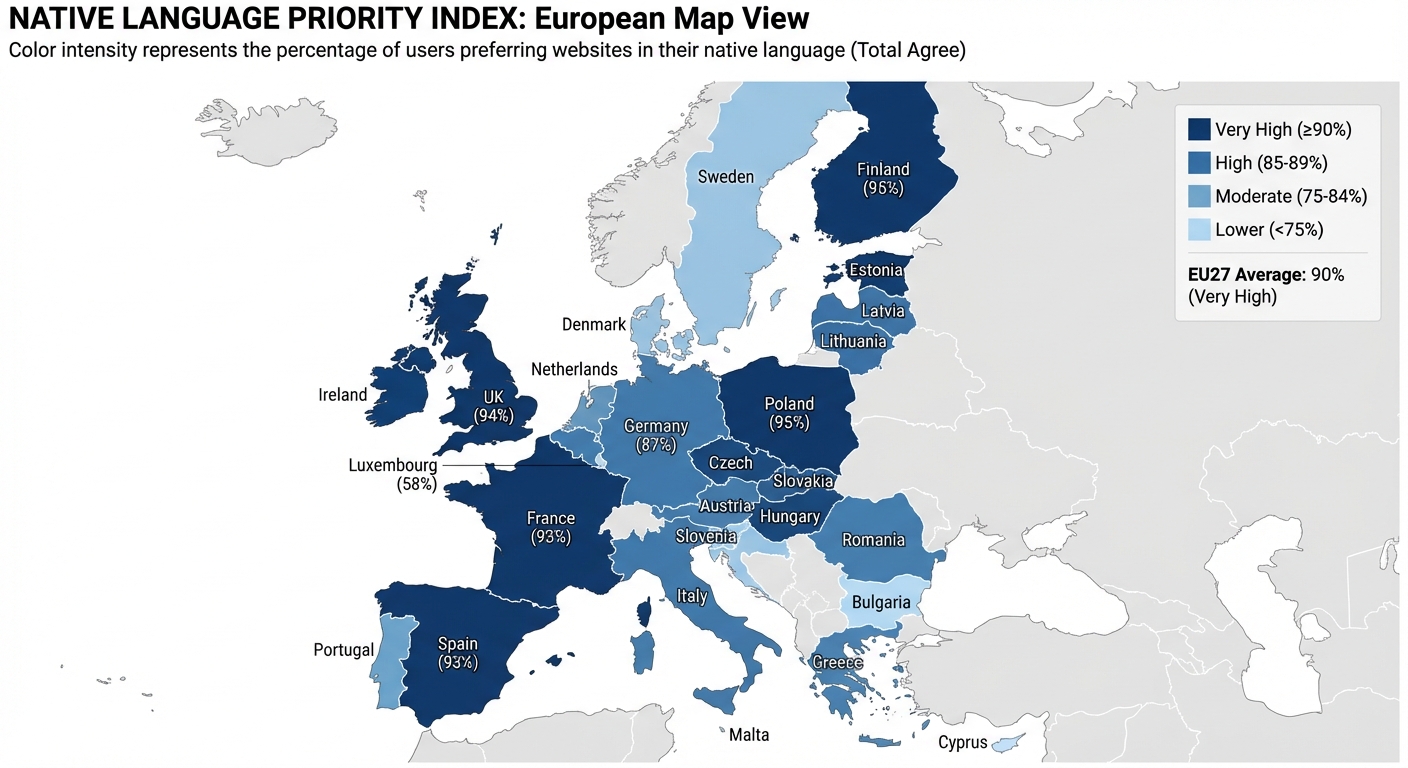
Why Your Growing Business Needs a Translation Management System
90% of users prefer websites in their own language. Here's how to scale localization without drowning in spreadsheets.